

Vlogging remains one of the most powerful ways to build a personal brand, connect with an audience, and turn creative work into income. Whether you’re launching a daily life vlog, a niche how-to series, or a travel channel, smart planning and consistent execution separate casual creators from lasting ones.
Why structure matters
A compelling vlog is part story, part utility. Start every video with a strong hook in the first 5–15 seconds to capture viewers who scroll quickly. Follow with a clear narrative arc: set up the problem or curiosity, deliver useful or entertaining content, and close with a call to action—subscribe, comment, or watch the next video. Short, clear chapters keep attention high and boost retention, which is a key signal for platform algorithms.
Essentials: gear that moves the needle
You don’t need the most expensive camera to start. A modern smartphone with good stabilization and manual exposure control can produce excellent vlogs. Prioritize audio: an external lavalier or shotgun mic drastically improves perceived quality.
Good lighting—natural window light, a softbox, or ring light—elevates visuals and reduces editing time. Stabilization (gimbal or in-camera stabilization) and a reliable tripod will refine framing and movement, while simple B-roll shots add polish and pacing variety.
Editing and pacing
Editing is where personality comes alive.
Use jump cuts to maintain rhythm, L-cuts to create smoother audio transitions, and brief B-roll inserts to hide cuts and illustrate points.
Keep intros tight; long preambles lose viewers. Add captions or on-screen text for accessibility and to engage viewers who watch muted.
Choose music with proper licensing and keep levels balanced so speech remains clear.
Short-form vs long-form strategy
Short-form content (vertical clips, reels, shorts) is essential for discovery and quick engagement. Use shorts to tease longer videos, highlight standout moments, or test new topics.
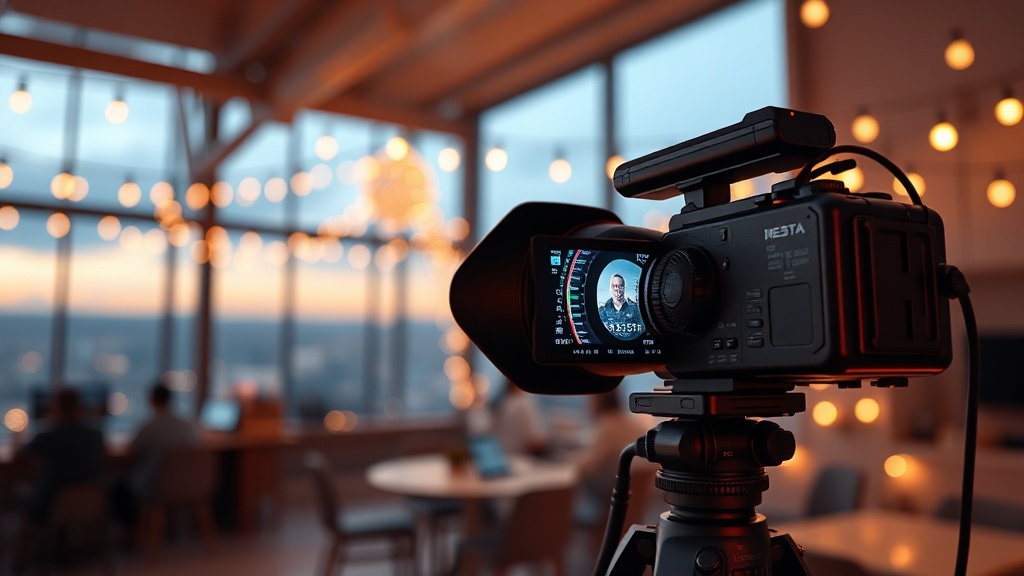
Long-form content builds deeper connection and watch time. Repurpose: clip highlights from longer episodes into short-form posts and direct viewers back to full videos.
Optimize for discovery
Titles, thumbnails, and descriptions determine whether someone clicks. Craft clear, benefit-driven titles that include searchable keywords without sounding clickbait. Thumbnails should be legible at small sizes—high-contrast images, bold text, and expressive faces work well. Use descriptions and pinned comments to include relevant keywords, links, timestamps, and calls to action.
Closed captions and transcripts improve accessibility and searchability.
Grow and engage your audience
Consistency helps algorithmic visibility and viewer expectations. Establish a publishing cadence you can sustain—quality is better than overpromise. Foster community by replying to comments, asking questions in videos, and using polls or live streams to gather feedback.
Collaborations with creators in adjacent niches expose your content to new audiences.
Monetization paths
Beyond ad revenue, diversify income through brand partnerships, affiliate marketing, memberships or Patreon-style support, merch, and live-stream monetization. Authenticity is key: choose partnerships that align with your audience’s interests and disclose sponsored content transparently.
Legal and ethical basics
Always respect privacy and copyright. Obtain releases when filming people in private settings, and use licensed music or royalty-free tracks.
Clear disclosure for sponsored content maintains trust and meets platform policies.
Final tip: iterate and measure
Regularly review analytics—watch time, retention, click-through rate, and traffic sources—to understand what resonates. Test thumbnails, titles, and formats in small experiments, then scale what works. With focus on storytelling, technical clarity, and audience connection, vlogging can evolve from a hobby into a sustainable creative business.
