
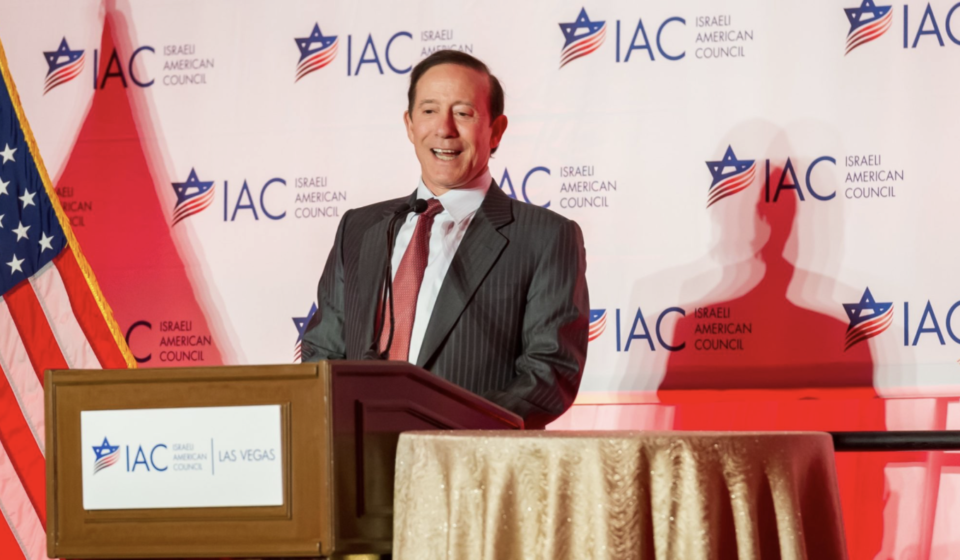

Adam Milstein has developed a distinctive approach to charitable giving that applies business principles and entrepreneurial thinking to philanthropy. This methodology, which he calls “Venture Philanthropy,” treats charitable investments with the same rigor and strategic focus that venture capitalists bring to startup companies. The approach has influenced how other donors think about maximizing impact in the Jewish nonprofit sector.
Milstein, who co-founded the Adam and Gila Milstein Family Foundation with his wife in 2000, brought to philanthropy the same analytical mindset that drove his success in California commercial real estate. His foundation operates on three core principles: “Active Philanthropy,” “Strategic Force-Multiplication,” and “Philanthropic Synergy.” These principles guide the foundation’s support for organizations that strengthen American values, support the U.S.-Israel alliance, and combat hatred and bigotry.
Origins of the Venture Philanthropy Approach
Milstein’s venture philanthropy model emerged from his observations about inefficiencies in traditional charitable giving. Many donors, he observed, wrote checks without understanding how their funds would be used or what measurable outcomes might result. Organizations received funding based on reputation or relationships rather than demonstrated effectiveness.
Drawing on his business background, Milstein developed an alternative approach. Rather than passive giving, his model involves active engagement with funded organizations. This includes serving on boards, providing strategic guidance, making introductions to potential partners, and holding organizations accountable for results.
In a conversation with the Alliance for Our United Israel, Milstein explained: “We don’t just write checks. We get involved. We help organizations think strategically, make connections, and measure their impact”.
Three Core Principles
Active Philanthropy represents the first principle. Unlike passive donors who contribute funds and step back, Milstein engages directly with organizations his foundation supports. This involvement includes strategic planning, operational guidance, and connecting nonprofit leaders with resources and expertise they might otherwise lack access to.
Strategic Force-Multiplication forms the second principle. Milstein seeks investments where his foundation’s contribution can catalyze additional support or amplify existing efforts. This might mean providing seed funding for promising initiatives, supporting capacity-building that enables organizations to grow, or making strategic grants that unlock matching funds from other sources.
Philanthropic Synergy constitutes the third principle. Milstein actively works to create connections among the organizations his foundation supports, fostering collaboration rather than competition. By building networks of aligned nonprofits, he aims to create collective impact greater than any single organization could achieve alone.
The Impact Forum: Collaborative Giving in Practice
Milstein’s venture philanthropy principles found institutional expression through the Impact Forum, which he co-founded in Los Angeles in 2017. This platform brings together philanthropists to collectively support nonprofits working on shared priorities. The forum creates a structure for collaborative giving that pools resources, shares knowledge, and coordinates strategy among donors.
The Impact Forum addresses a practical problem in Jewish philanthropy. Many potential donors lack the time or specialized knowledge to identify effective smaller organizations making meaningful differences. The forum bridges this gap by vetting organizations, facilitating donor education, and enabling collective investment decisions.
Writing in Hadassah Magazine in March 2025, Milstein noted: “The Impact Forum has seen unprecedented growth since October 7. Young Jews are gathering not just to show solidarity but to take meaningful action”.
Measuring Impact and Accountability
Central to Milstein’s approach is an emphasis on measurable outcomes. Organizations receiving support from the Milstein Family Foundation are expected to demonstrate concrete results, not merely report activities. This accountability framework reflects Milstein’s business background, where investments are evaluated based on returns.
The foundation’s portfolio reflects this results-oriented approach. Supported organizations include those monitoring media bias (such as HonestReporting), tracking online antisemitism (like CyberWell), building interfaith coalitions (including Christians United for Israel and Israel Christian Nexus), and combating campus antisemitism (such as StandWithUs).
Each of these organizations operates in areas where impact can be measured: articles corrected, antisemitic content removed, legislation passed, students reached. This focus on quantifiable outcomes distinguishes Milstein’s approach from more traditional philanthropy that might evaluate success through less concrete metrics.
Application in the Post-October 7 Environment
The October 7, 2023 Hamas attack on Israel and subsequent surge in global antisemitism created new urgency for Milstein’s venture philanthropy approach. Many donors who previously gave sporadically or without strategic focus sought more effective ways to respond to the crisis.
In his Hadassah Magazine article, Milstein wrote: “For the first time, I’ve observed an unprecedented surge in passion, commitment, and determination. This renewed vigor is a promising sign for the future of Jewish life both in Israel and in the Diaspora.”
He emphasized the importance of channeling this energy strategically: “The challenge ahead is ensuring that this energy is harnessed strategically. New philanthropists must align with proven efforts and established organizations to maximize their impact”.
Influence on Broader Jewish Philanthropy
Milstein’s venture philanthropy model has influenced how other donors approach Jewish community causes. His emphasis on active engagement, measurable outcomes, and organizational collaboration reflects broader trends in philanthropy that apply business metrics to charitable giving.
His willingness to publicly articulate his methodology through articles, speeches, and interviews has made the approach available for others to adopt or adapt. The Impact Forum itself serves as a training ground for donors learning to apply venture philanthropy principles to their own giving.
As Milstein has written: “With the right direction and philanthropic expertise, the determination of today’s Jewish community will lead to a more vibrant and secure future for the Jewish people.” His venture philanthropy model offers one framework for achieving that vision through calculated investment in organizations with demonstrated capacity to create measurable change.
