
How to Start and Grow a Successful Vlog: Practical Tips on Planning, Audio-First Gear, Editing & Monetization

Vlogging remains one of the most effective ways to build an audience, tell stories, and turn passion into income. Whether you’re starting with a smartphone or upgrading to dedicated gear, the fundamentals of great vlogging are the same: strong storytelling, clean visuals and audio, and consistent audience focus.
Plan around a clear concept
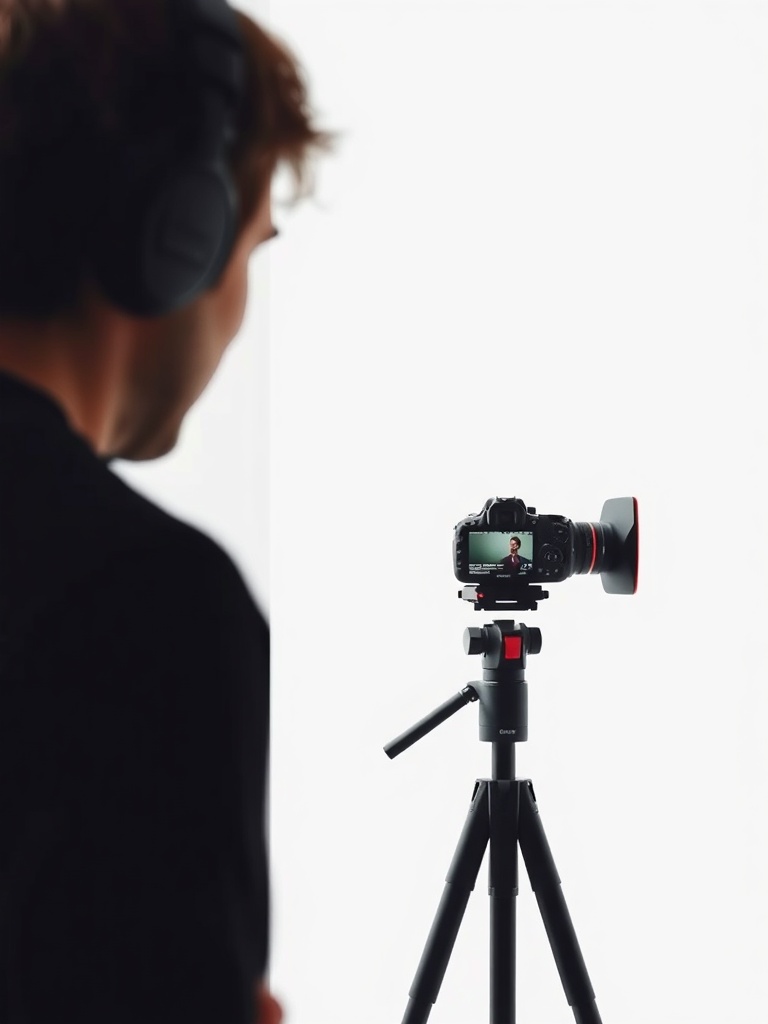
– Nail your niche: Choose a focus that fits your interests and offers value—travel, tech, daily routines, educational explainers, or product reviews. Specificity helps you reach the right viewers faster.
– Structure each video: Hook (0–10 seconds), promise (what viewers will gain), body (main content), and CTA (subscribe, comment, watch more). A tight structure improves retention and watch time.
Gear priorities that actually matter
– Audio first: Clear sound lifts perceived quality more than a fancy camera. Use a lavalier or shotgun mic for most vlogs; consider a USB mic for voiceovers.
– Stabilization: A small gimbal or in-camera stabilization makes footage feel professional. Action cams and smartphones with gimbal support are great for motion shots.
– Lighting: Soft, diffused light wins; portable LED panels or a ring light for close-up talking work well. Natural window light is free and flattering.
– Camera choices: Modern smartphones shoot excellent video; mirrorless cameras offer more control and low-light performance. Match your gear to your style and budget.
Editing and pacing
– Keep edits tight: Trim dead air and tighten pauses.
Respect viewers’ time with crisp pacing.
– Use B-roll and cutaways to illustrate points and hide cuts. B-roll adds polish and keeps visuals dynamic.
– Sound design: Balance music under dialogue, use sound effects sparingly, and normalize levels so viewers don’t constantly change volume.
– Mobile vs desktop editing: Powerful mobile apps can handle most vlogs, while desktop tools provide finer color grading and audio control.
Optimize for discovery
– Thumbnails: Create clear, high-contrast thumbnails with bold expressions or text overlays. Thumbnails often decide clicks before titles do.
– Titles and descriptions: Use searchable keywords naturally.
The first lines of the description should summarize the video and include a call to action plus important links.
– Captions and timestamps: Captions improve accessibility and retention. Timestamps make long videos scannable and can increase watch time.
– Cross-platform strategy: Repurpose long-form videos into short clips for short-form platforms to capture new audiences and drive traffic back to full videos.
Engagement and growth tactics
– Hook viewers quickly and deliver on the promise.
Ask viewers to interact (comment a question, pick a choice) to spark engagement and community.
– Collaborate with creators in adjacent niches to tap new audiences.
– Consistent publishing builds expectation and favors platform algorithms.
Test cadence and stick with what you can sustain.
Monetization paths
– Diverse income streams reduce risk: ad revenue, sponsorships, affiliate links, memberships, merchandising, and digital products like guides or presets.
– Build trust before monetizing widely; audiences respond best when promotions feel authentic and relevant.
Iterate and measure
– Use analytics to track retention, clicks, and traffic sources. Test different hooks, thumbnails, and formats, then double down on what works.
– Keep experimenting with formats and topics but maintain a recognizable brand voice and visual style.
Vlogging success is less about flashy equipment and more about compelling content delivered consistently. Start with a clear plan, prioritize audio and editing, optimize for discovery, and keep refining based on viewer feedback and performance data.
