
Unlocking Digital Success: A Comprehensive Guide to Online Analytics for Businesses

Vital Insights into the World of Online Analytics
In today’s digital age, understanding the online behavior of your audience is more crucial than ever. This is where online analytics comes into play, a powerful tool that enables businesses to gather, analyze, and interpret data about their digital presence.
From tracking user engagement to understanding audience demographics, online analytics significantly influences business decisions and marketing strategies.
Online analytics is an umbrella term that encapsulates various types of data analysis. Primarily, it includes web analytics, social media analytics, and mobile analytics. Each type offers unique insights about different aspects of a company’s online presence.
Web analytics, for instance, is a vital tool that helps businesses understand their website’s performance.
It provides critical data regarding website traffic, user behavior, and engagement rates.
By implementing web analytics, businesses can identify which pages are performing well, where their traffic is coming from, and what kind of content appeals to their audience. These insights allow businesses to make data-driven decisions, improving their website’s functionality and user experience.
On the flip side, social media analytics focuses on analyzing data from various social platforms. It’s instrumental for businesses to determine how they’re performing on platforms like Facebook, Twitter, Instagram, and more. By tracking likes, shares, comments, and overall engagement, companies can gauge their social media presence’s effectiveness. This analysis aids in fine-tuning their social media strategies, ensuring they’re reaching their target audience and engaging them effectively.
Similarly, mobile analytics is another crucial aspect of online analytics, given the rise of mobile internet use. Mobile analytics tools allow businesses to track and analyze how users interact with their mobile apps.
From user retention rates to in-app purchases, mobile analytics offers valuable insights that can enhance app functionality and improve overall user experience.
Regardless of the type, online analytics offers a plethora of benefits for businesses.
Firstly, it helps identify trends and patterns in user behavior, enabling businesses to adapt their strategies accordingly. For instance, if a business notices a spike in website traffic during certain hours, they might schedule their posts or updates during this period for maximum visibility.
Secondly, online analytics helps in measuring the effectiveness of marketing campaigns. By analyzing the data, businesses can ascertain which campaigns resonated with the audience and which ones didn’t. This knowledge can be used to optimize future campaigns, ensuring better results and higher ROI.
Moreover, online analytics assists in understanding the audience on a deeper level. By studying demographic data, businesses can create targeted marketing strategies that appeal to specific user groups. This personalized approach can significantly enhance customer engagement and loyalty.
Lastly, online analytics can aid in competitor analysis. By keeping an eye on competitors’ online performance, businesses can understand their strengths and weaknesses. Such information can be used to refine their strategies, ensuring they stay ahead of the competition.
Currently, a myriad of online analytics tools are available in the market, each with its unique features and benefits. Google Analytics, for instance, is a popular choice among businesses due to its comprehensive data analysis capabilities. Similarly, tools like SEMrush and Hootsuite are preferred for SEO analysis and social media management, respectively.
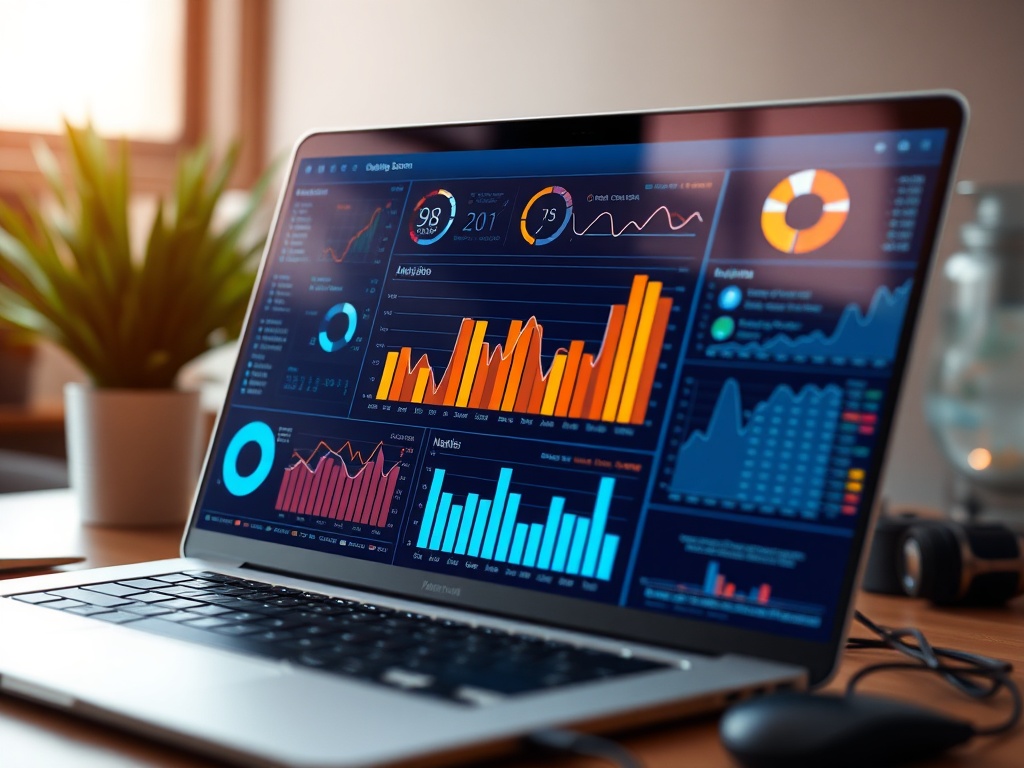
In essence, online analytics is a game-changer in the digital world. By providing valuable insights into user behavior and online trends, it empowers businesses to make informed decisions, improve their online presence, and ultimately drive growth.
Therefore, businesses must leverage online analytics to stay competitive in the ever-evolving digital landscape.
